Italian cuisine is more than just food; it’s a celebration of family, regionality, and the freshest seasonal ingredients. Beloved across the globe, it is a culinary tradition that has captivated palates for centuries, offering a deceptively simple approach to cooking that yields extraordinarily rich and complex flavors.
The Foundation: Cucina Povera and Regional Diversity
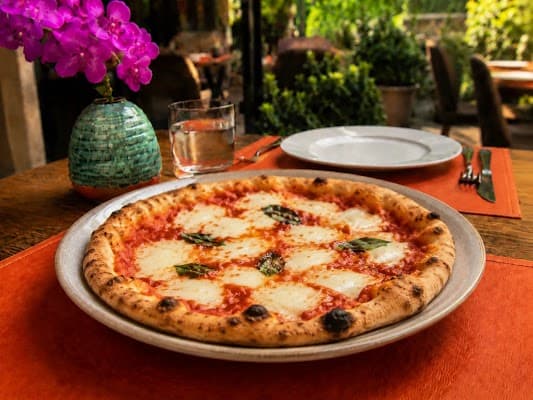
The heart of authentic Italian cooking lies in the concept of cucina povera (“poor cooking”). Historically, this meant making the most of readily available, inexpensive ingredients, leading to a resourceful and flavorful style of cooking that relies on quality rather than complexity. A handful of perfect tomatoes, good quality olive oil, and fresh basil can often be the star of a dish.
The true beauty of Italian cuisine, however, lies in its regional diversity. Italy was not unified until 1861, and centuries of independent development mean that the “Italian food” you find in the North is vastly different from that in the South.
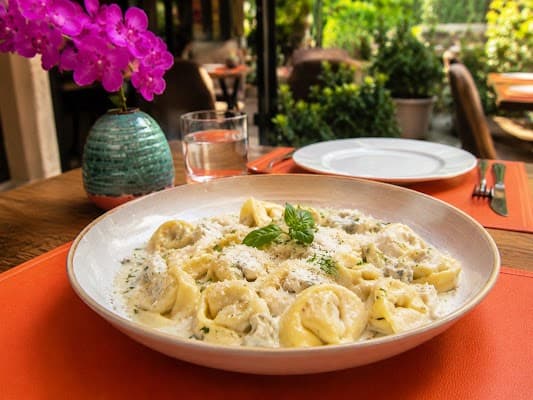
Northern Italy (e.g., Piedmont, Lombardy): You’ll find a heavier reliance on butter, cream, rice (risotto), and polenta. Stuffed pasta like ravioli and tortellini are common, and the mountains provide excellent aged cheeses like Gorgonzola and Parmigiano Reggiano.
Southern Italy (e.g., Campania, Sicily, Calabria): This is the land of the tomato, olive oil, and durum wheat pasta. Dishes are often simpler, highlighting fresh seafood, vibrant vegetables, and sun-dried ingredients.